TUBEs work in Plants!

With ubiquitin’s core functions in plants and animals being so similar it has long been speculated that insights into the ubiquitin proteasome system for plants could also carry over to animals. The question historically has remained whether or not someone can study the UPS using similar methodology for plants as for animals. Modifications to ubiquitin, […]
Unraveling Chain specific Ubiquitination in Cells Using Tandem Ubiquitin Binding Entities in a High Throughput Assay

Different lysines on ubiquitin are involved in forming different ubiquitin chains, with K48-linked chains primarily signaling for proteasomal degradation, while other linkages, such as K63-linked chains, and single ubiquitin molecules (monoubiquitination) act as non-degradative signals for processes like DNA repair, signal transduction, and trafficking. Due to the diverse signaling and the multiple different lysines (K6, […]
Drug Discovery with UbiTest Technology

UbiTest: Detection of polyubiquitinated proteins using TUBE based screening platforms by Gauthami S. Jalagadugula The ubiquitin proteasome system (UPS) is a highly regulated mechanism that controls many cellular processes through protein ubiquitination and degradation. Ubiquitin is conjugated via its C-terminus to lysine residues on the target proteins as a monomer or as a polymer chain. […]
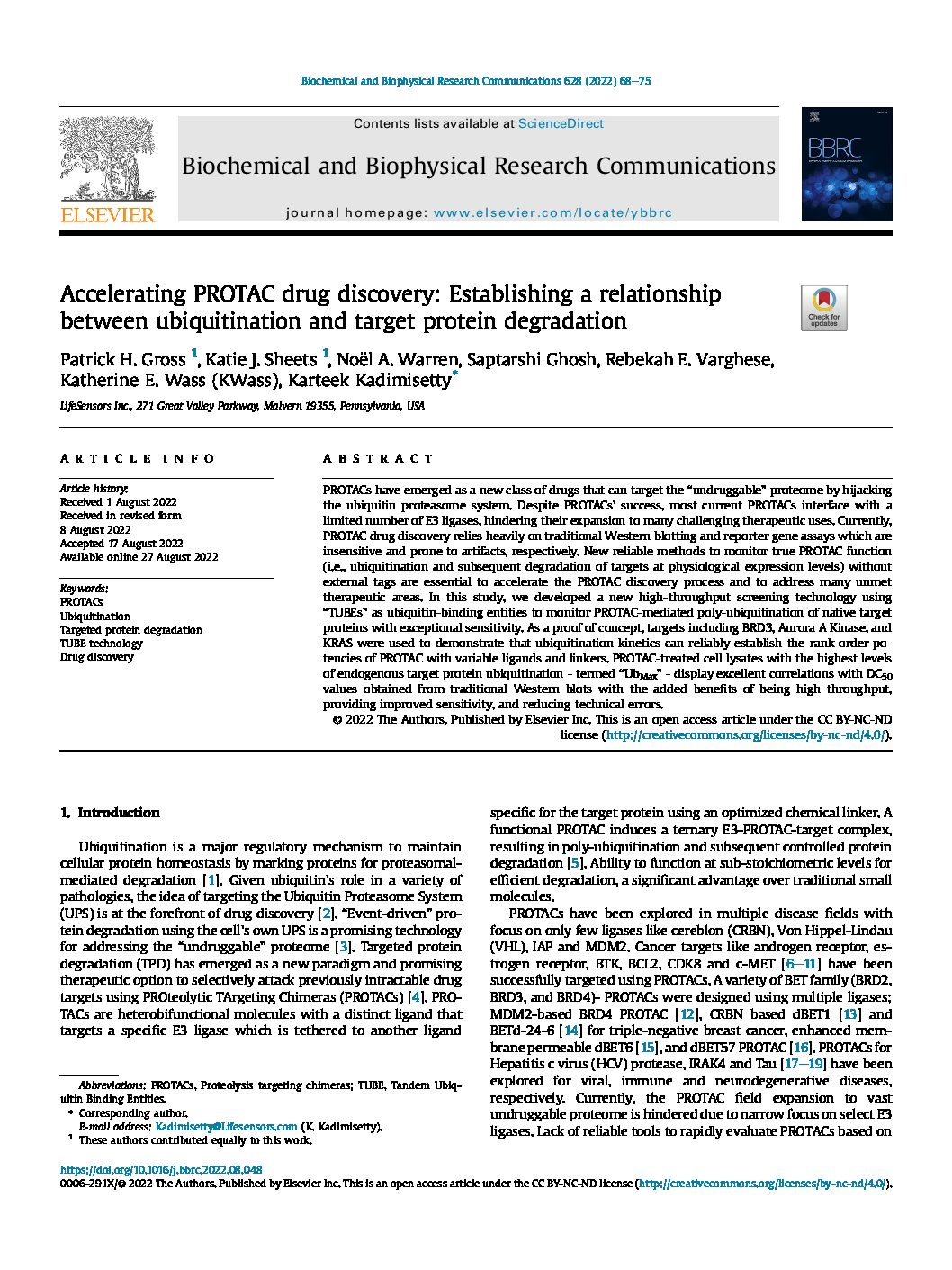
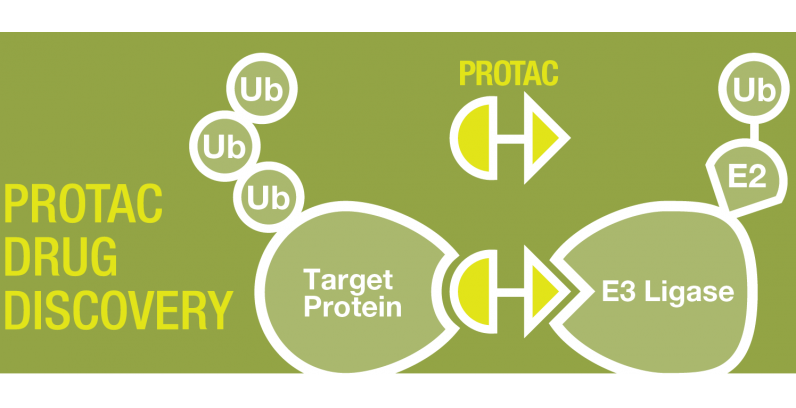
Accelerating PROTAC drug discovery: Establishing a relationship between ubiquitination and target protein degradation

Hijacking the natural mechanism of the Ubiquitin Proteasome System (UPS) is emerging as a powerful medium in drug discovery through which Dr. Kadimisetty uses “TUBEs” as ubiquitin-binding entities to monitor PROTAC-mediated poly-ubiquitination of target proteins. The technology described wherein is a direct way to evaluate and discover PROTAC and molecular glue targets for use in […]
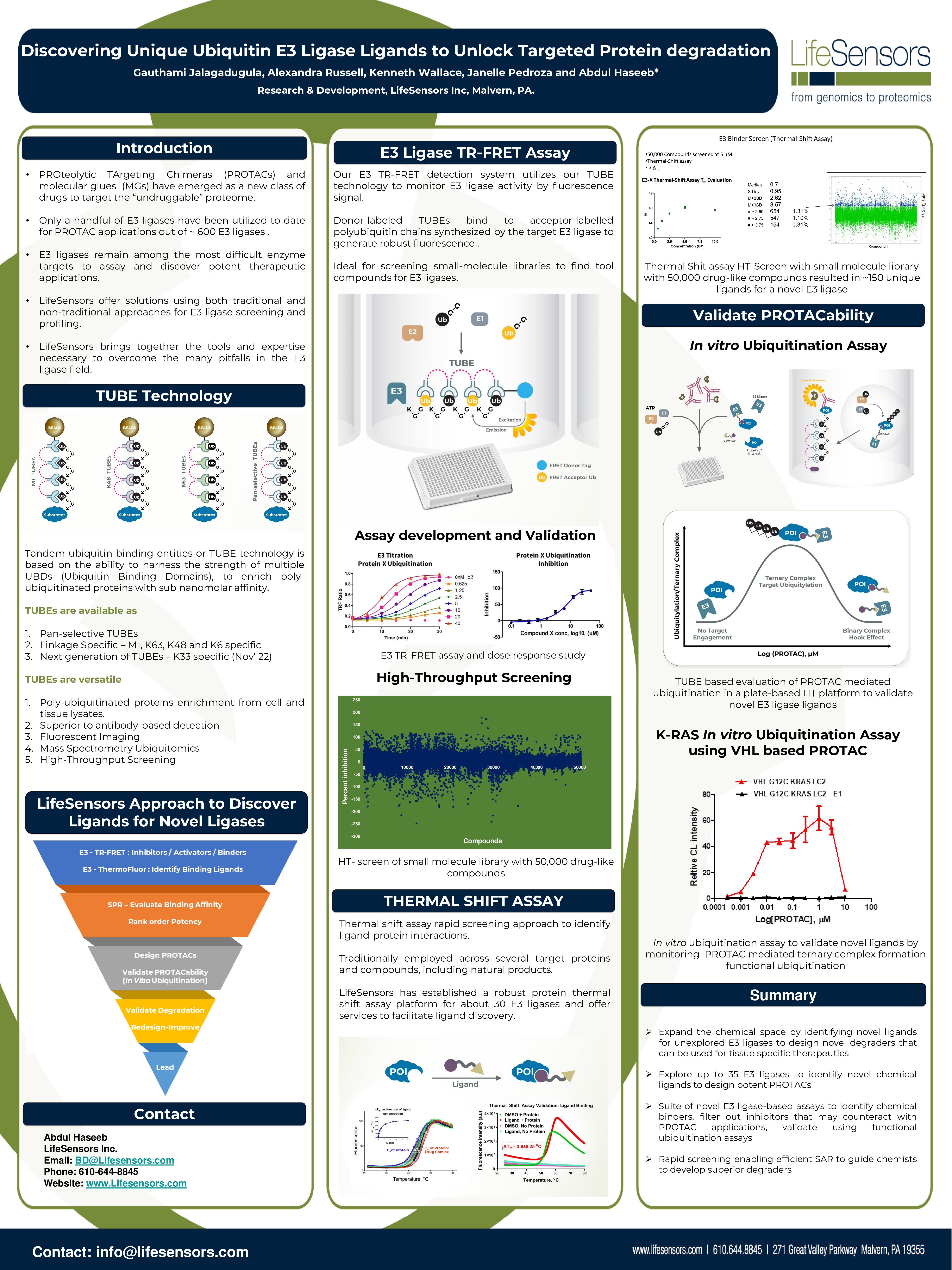
Discovering Unique Ubiquitin E3 Ligase Ligands to Unlock Targeted Protein Degradation

Discovering Unique Ubiquitin E3 Ligase Ligands to Unlock Targeted Protein degradation Gauthami Jalagadugula, Alexandra Russell1+, Kenneth Wallace1+, Janelle Pedroza and Abdul Haseeb1 * Introduction PROteolytic TArgeting Chimeras (PROTACs) have emerged as new class of drugs to target “undruggable” proteome. The human genome encodes ~ 600 E3 ligases that differentially expressed across various tissues. Only a […]
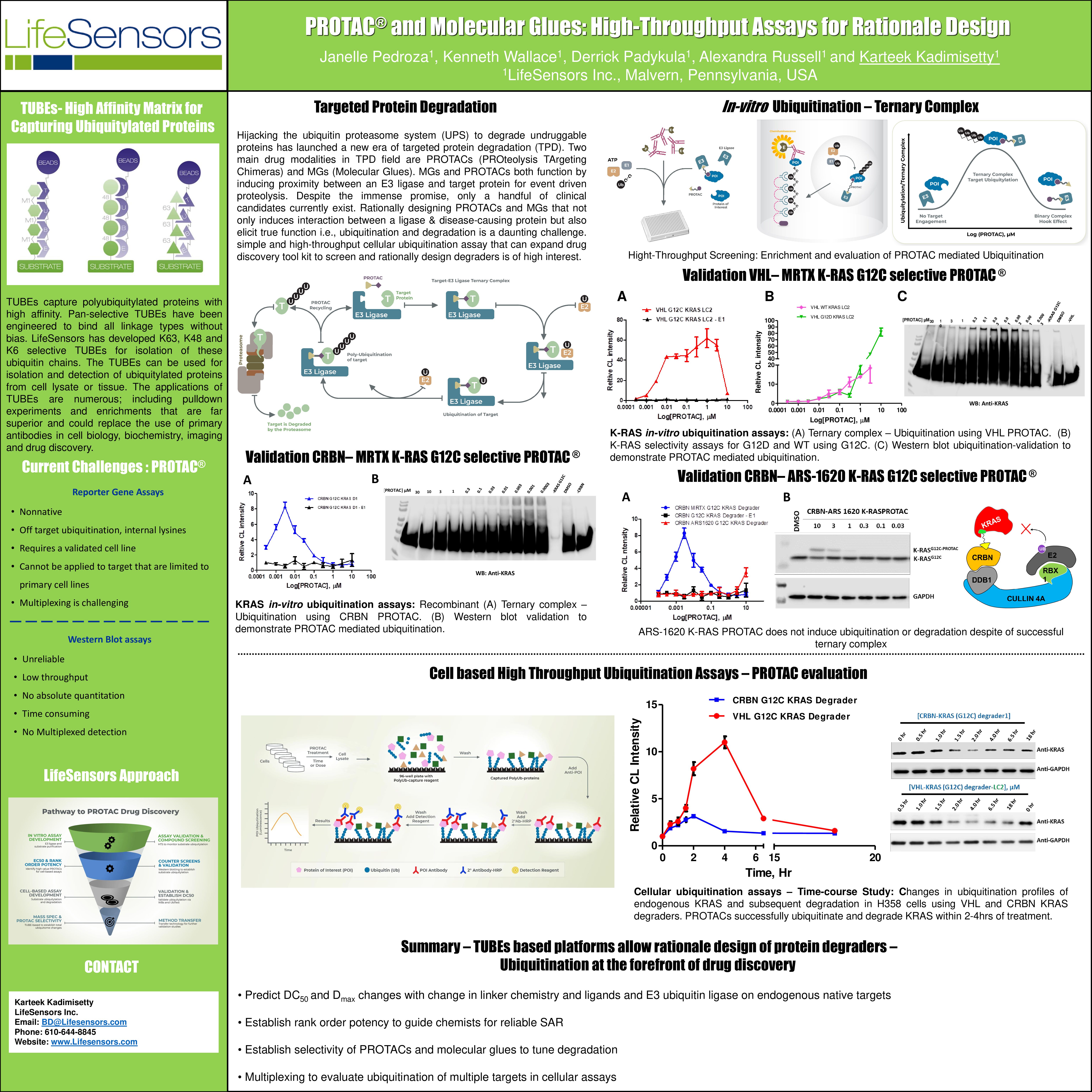
PROTACs and Molecular Glues: High-Throughput Quantitative Assays for Rationale Design

PROTACs and Molecular Glues: High-Throughput Quantitative Assays for Rationale Design Authors: Janelle Pedroza1, Kenneth Wallace1, Derrick Padykula, Alexandra Russell1, and Karteek Kadimisetty*1 Introduction PROTACs have emerged as new class of drugs that can target the “undruggable” proteome by hijacking the ubiquitin proteasome system. Traditional methods like western blotting and reporter gene assays are prone to […]
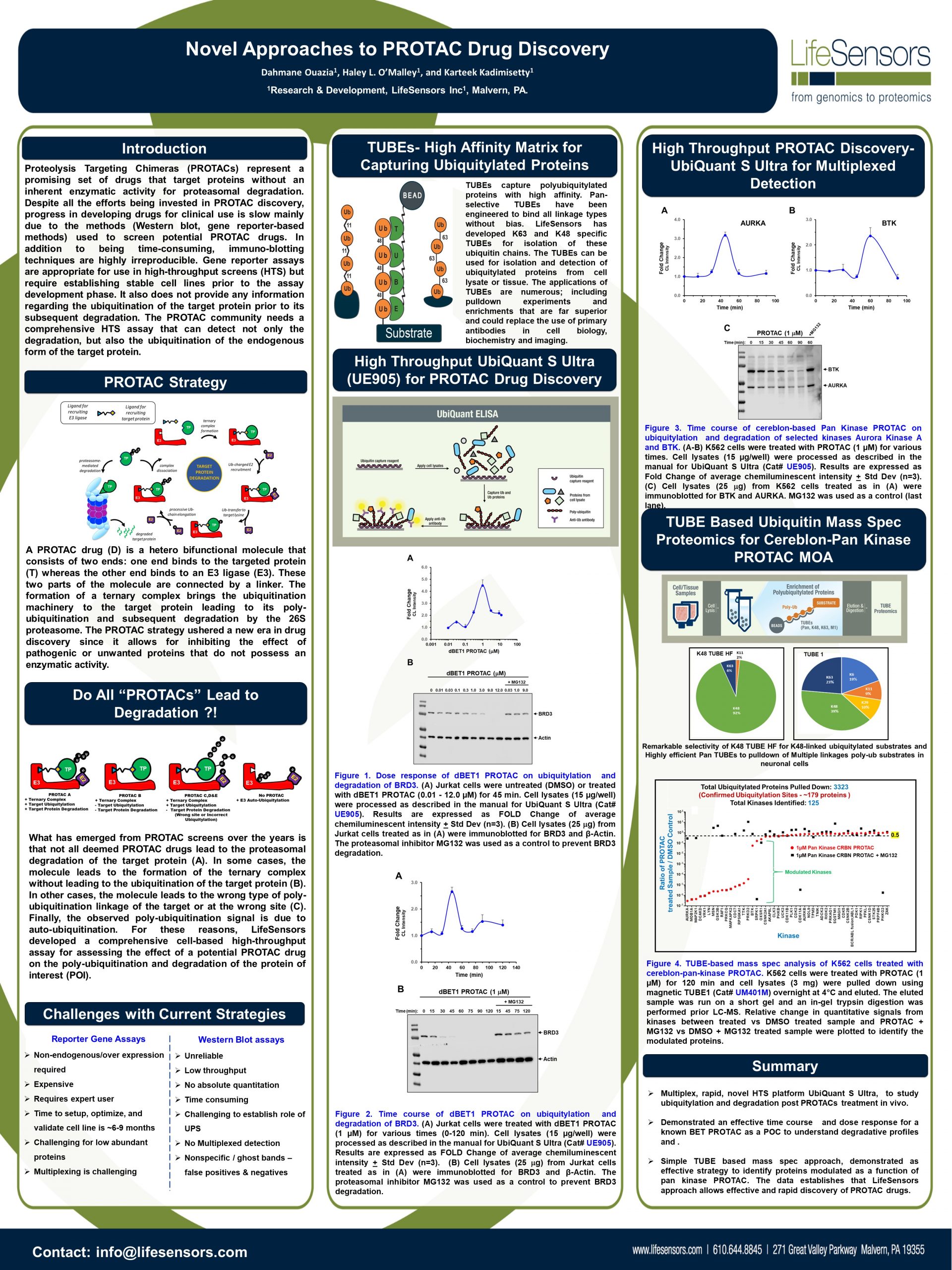
Novel Approaches to PROTAC® Drug Discovery

INTRODUCTION Proteolysis Targeting Chimeras (PROTACs) represent a promising set of drugs that target proteins without an inherent enzymatic activity for proteasomal degradation. Despite all the efforts being invested in PROTAC discovery, progress in developing drugs for clinical use is slow mainly due to the methods (Western blot, gene reporter-based methods) used to screen potential PROTAC […]
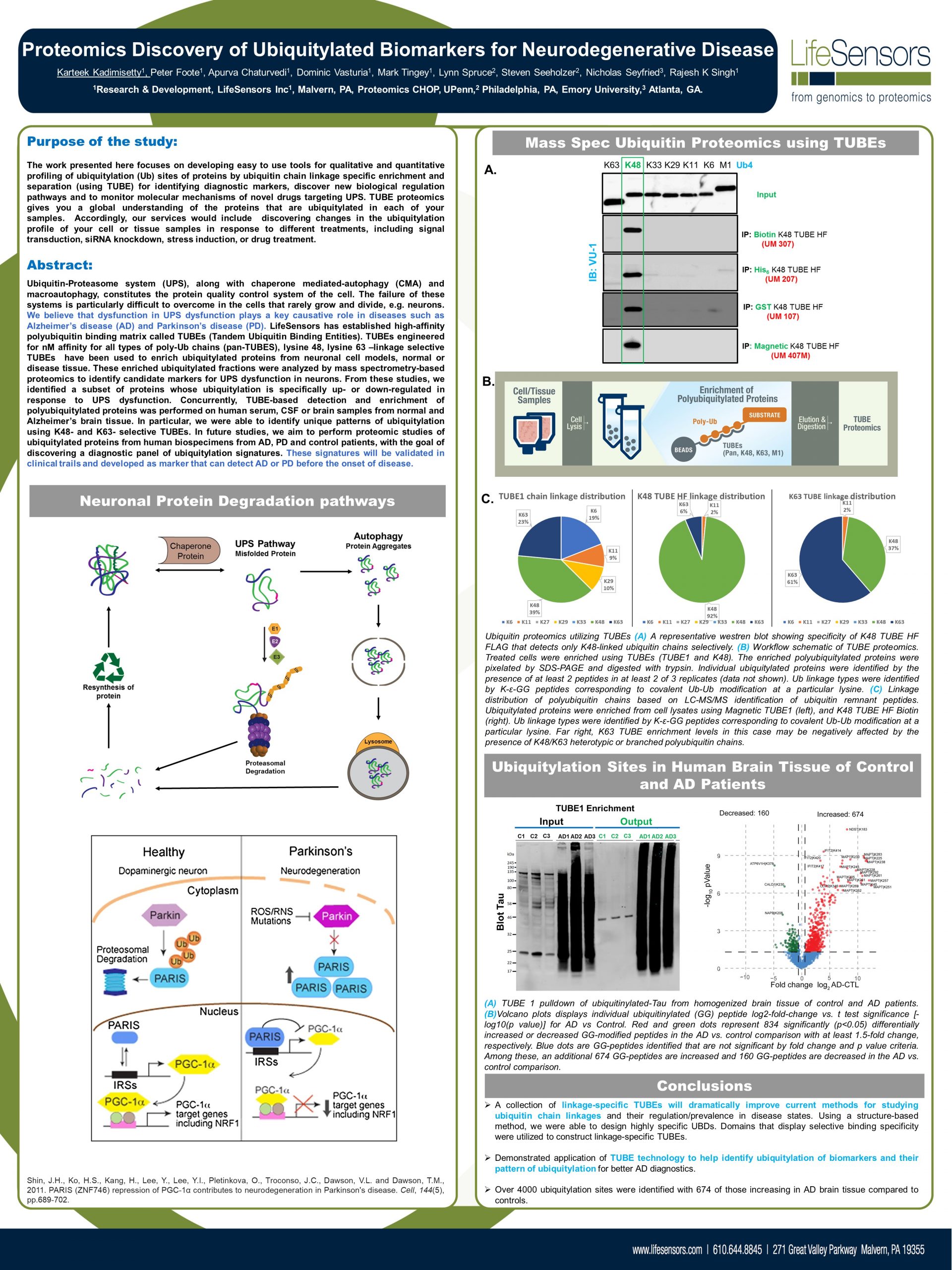
Proteomics Discovery of Ubiquitylated Biomarkers for Neurodegenerative Disease

ABSTRACT Ubiquitin-Proteasome system (UPS), along with chaperone mediated-autophagy (CMA) and macroautophagy, constitutes the protein quality control system of the cell. The failure of these systems is particularly difficult to overcome in the cells that rarely grow and divide, e.g. neurons. We believe that dysfunction in UPS dysfunction plays a key causative role in diseases such […]
PROTAC Method of Action Presentation

SEE THE LIFESENSORS PRESENTATION ON NOVEL PROTAC ASSAYS HERE. PLEASE CONTACT US FOR MORE INFORMATION ON THIS EXCITING TECHNOLOGY- BD@LIFESENSORS.COM
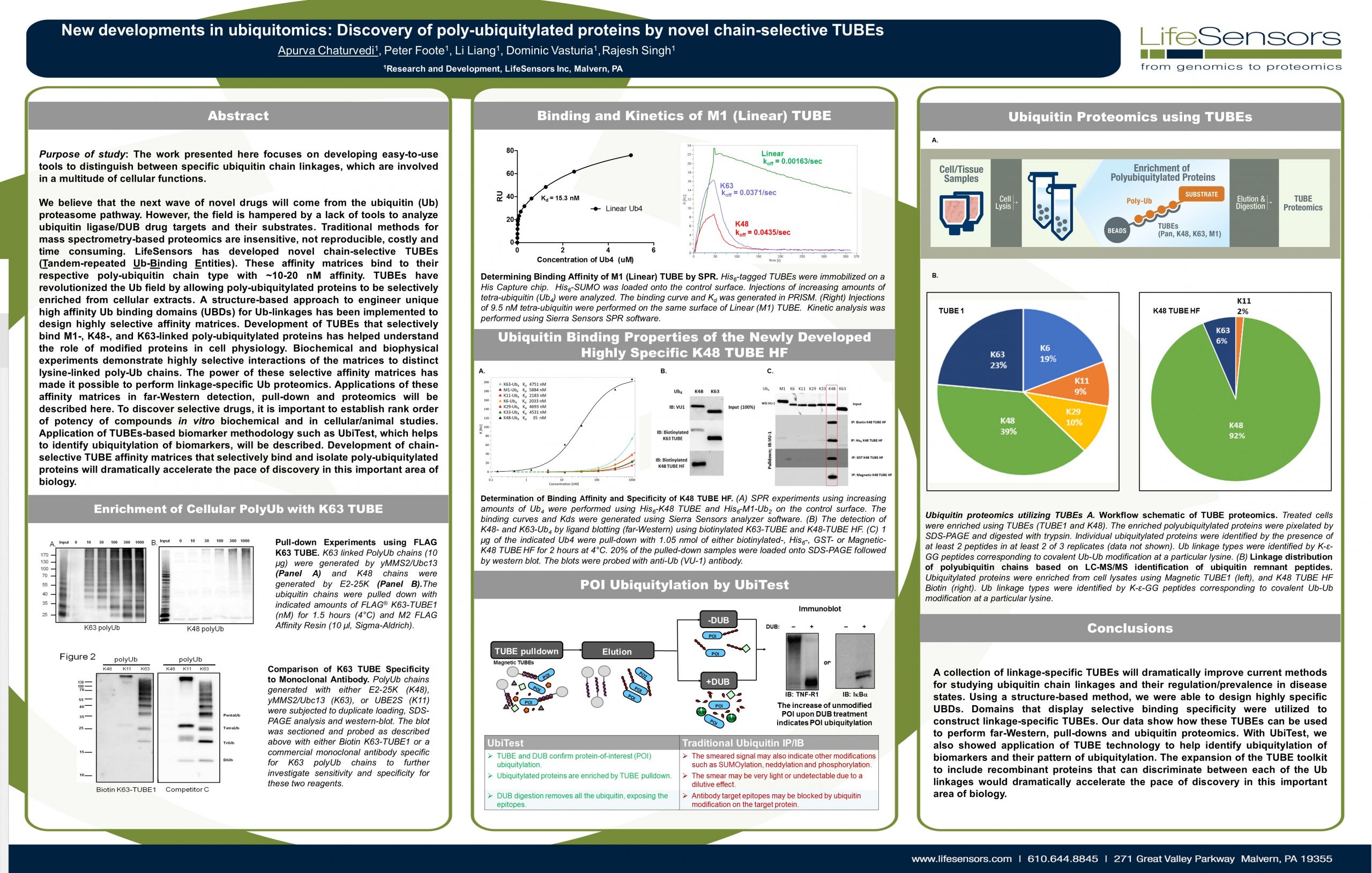
New Developments in Ubiquitomics: Discovery of poly-ubiquitylated proteins by novel chain-selective TUBEs

LifeSensors Scientists Apurva Chaturvedi, Peter Foote, Li Liang, Dominic Vasturia, and Rajesh Singh recently presented research at FASEB in SnowMass, Colorado. A downloadable PDF of this poster can be found here. ABSTRACT The work presented here focuses on developing easy-to-use tools to distinguish between specific ubiquitin chain linkages, which are involved in a multitude […]
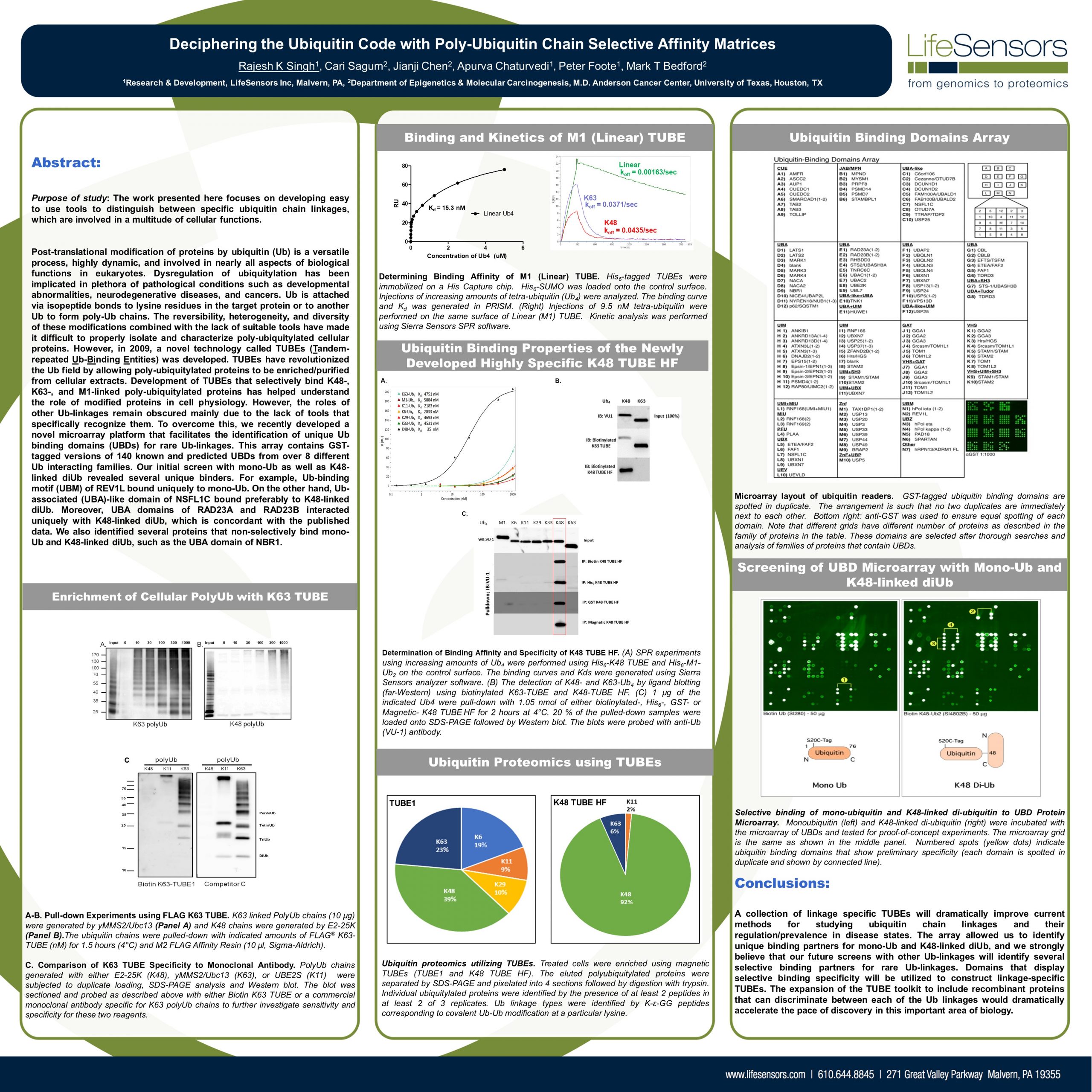
Deciphering the Ubiquitin Code with Poly-Ubiquitin Chain Selective Affinity Matrices

LifeSensors recently presented the work of Rajesh Singh, Cari Sagum, Jianji Chen, Apurva Chaturvedi, Peter Foote, and Mark Bedford at Cold Spring Harbor Laboratories. A PDF of this poster can be downloaded Here. ABSTRACT Post-translational modification of proteins by ubiquitin (Ub) is a versatile process, highly dynamic, and involved in nearly all aspects of biological […]
Establishing Ubiquitylation Patterns in Cells: Efficient Monitoring of Oncogenic Ubiquitylation Activity

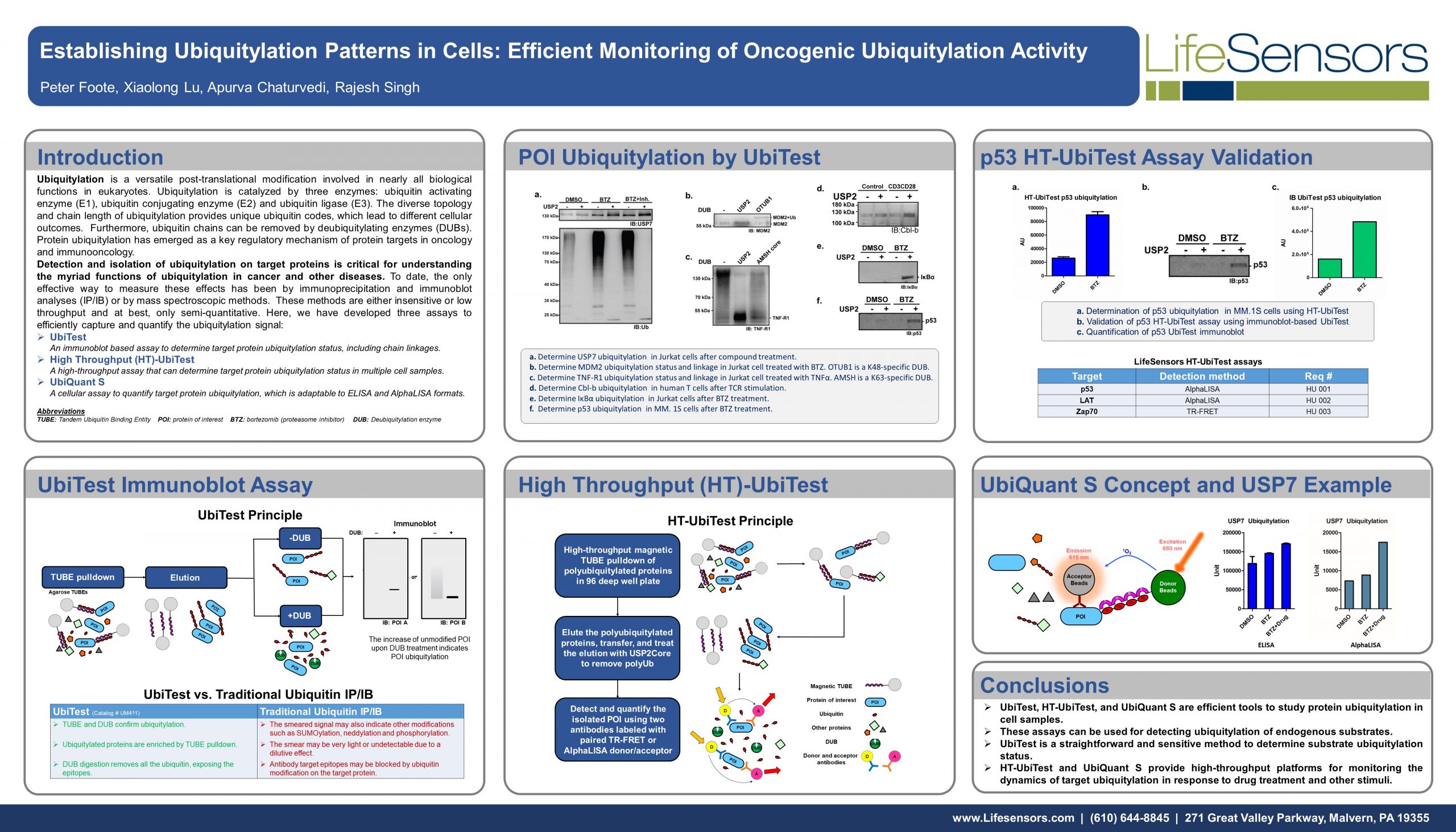
Lifesensors recently presented the work of Peter Foote, Xialong Lu, Apurva Chaturvedi, and Rajesh Singh at AACR2018. A PDF of this poster can be downloaded here. ABSTRACT Ubiquitylation is a versatile post-translational modification involved in nearly all biological functions in eukaryotes. Ubiquitylation is catalyzed by three enzymes: ubiquitin activating enzyme (E1), ubiquitin conjugating enzyme (E2) and ubiquitin ligase […]
Ubiquitin code: Accelerating the discovery of poly-ubiquitylated proteins by novel chain-selective affinity matrices

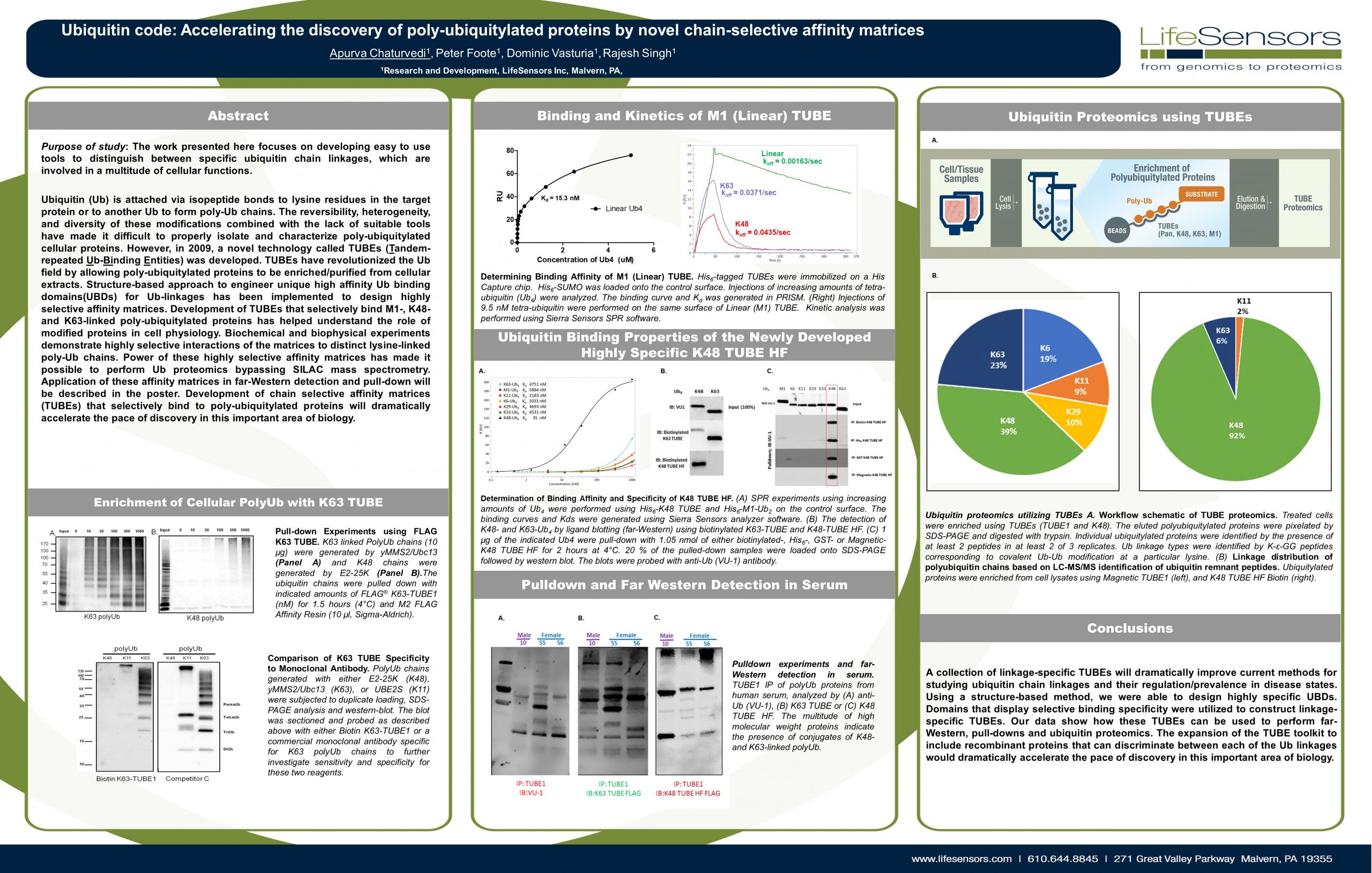
LifeSensors’ Scientists Apurva Chaturvedi, Peter Foote, Dominic Vasturia, and Rajesh Singh recently presented their research at AACR2018. A pdf of this poster can be downloaded here. ABSTRACT Purpose of study: The work presented here focuses on developing easy to use tools to distinguish between specific ubiquitin chain linkages, which are involved in a multitude of cellular functions. […]