

Tandem Ubiquitin Binding Entities (TUBEs) are powerful reagents for enrichment of polyubiquitylated proteins. At LifeSensors, we have used this remarkable technology of TUBEs with our mass spectrometry expertise to provide our customer with a quick and easy way to perform both qualitative and quantitative proteomics.
Upon completion of the analysis, you will receive a list of peptides and corresponding proteins that have been identified. We will categorize the ubiquitylated proteins and display the results on several plots to make your analysis easier. This information will help you publish your results or plan your next assay.
Learn more about our comprehensive DUBs screening and profiling platform
We are here to help you from the beginning, and are happy to sit down and help you design the best experiment to address your specific questions.
We have competitively priced our analysis and offer custom services with the level of analysis that matches your needs and budget.
We strive to deliver you accurate and professional reports quickly. From submission of samples, reports are typically delivered in 2-4 weeks depending on the complexity of project.
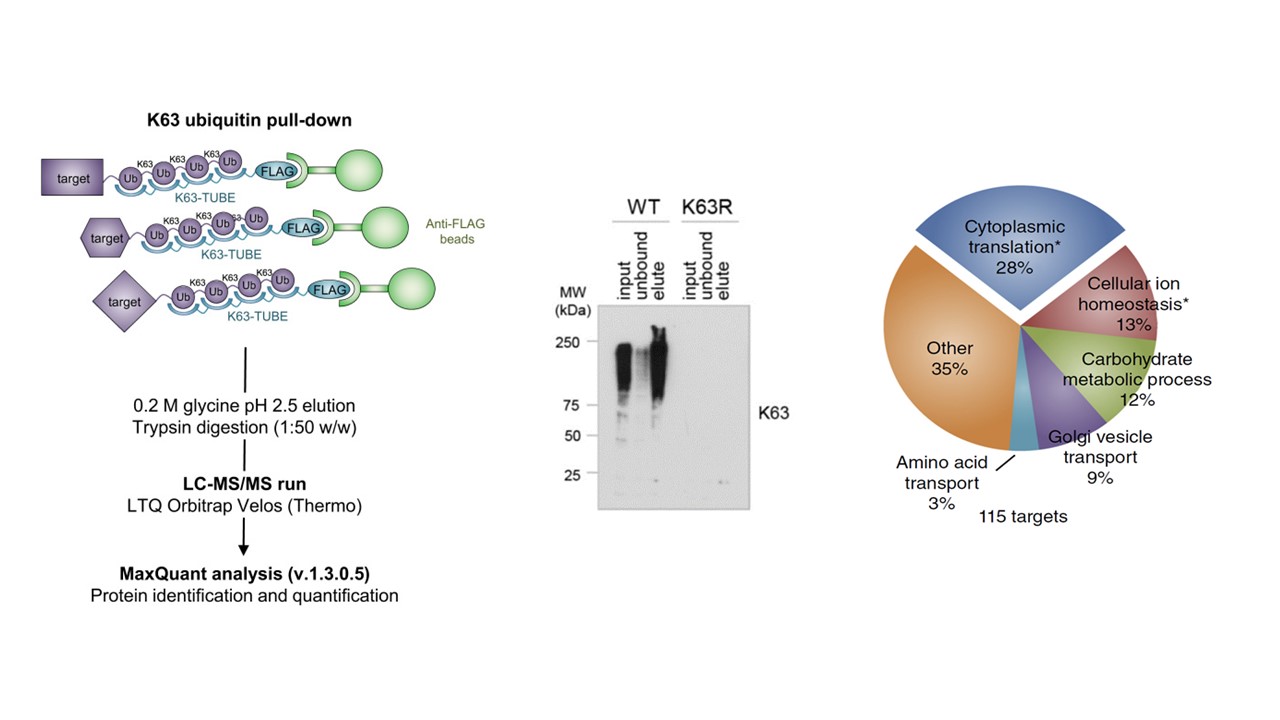
TUBE-based enrichment of polyubiquitylated proteins has proven to be key for the progress of ubiquitin proteomics. LifeSensors has developed the proprietary technology to identify cellular proteins that are ubiquitylated using TUBE-based proteomics.
Download Sample Report PDF
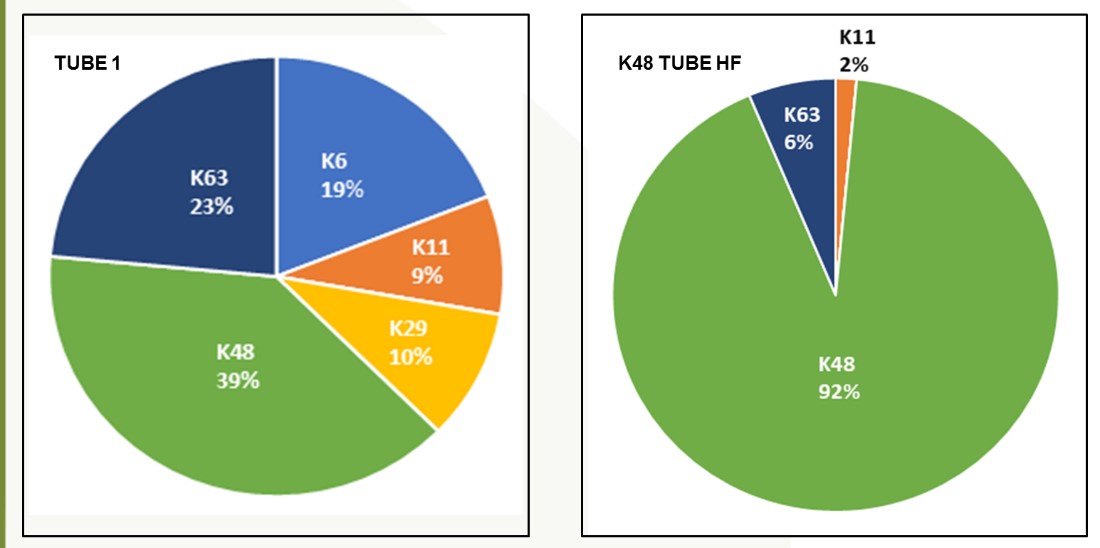
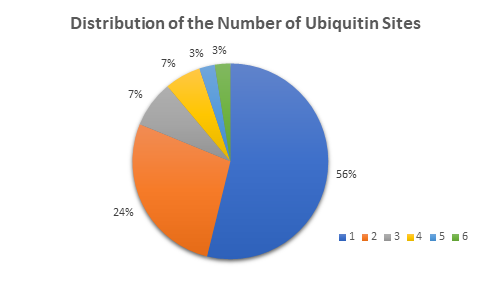
Below are examples of data generated using TUBE-based mass spec technology with pan-selective TUBEs. Here, the ubiquitinated proteins have been differentiated from whole cell lysate. This methodology is sensitive enough to detect the number of ubiquitin sites on a given protein.
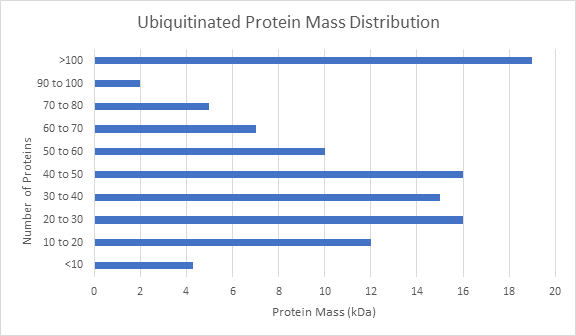
When studying the effects of a drug or genetic knockout, global shifts in the ubiquitome is a good place to start your analysis. Other global analysis provided by LifeSensors includes protein mass distribution of all proteins as well as ubiquitinated proteins.
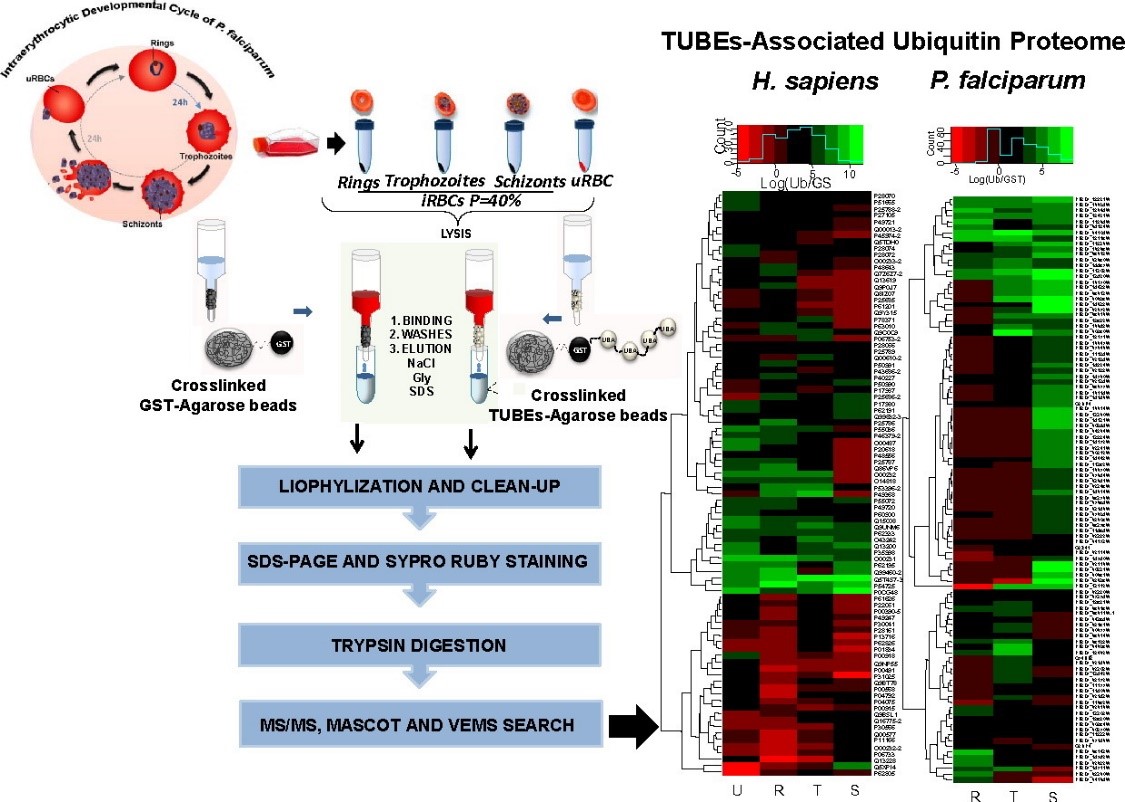
In 2016, Mata-Cantero et al. used TUBE-based mass spectrometry to identify major components of the ubiquitin proteome of both Plasmodium falciparum and its host during different life stages.
Intraerythrocytic Developmental Cycle of P. falciparum is shown. Synchronized P. falciparum iRBC at 40% parasitaemia from rings, trophozoites and schizonts stages were collected and frozen. TUBE enriched proteins from iRBC at different stages and uRBC were captured using TUBEs or GST (control) previously crosslinked with DMP to agarose beads. After exhaustive washes, proteins captured were eluted, cleaned by precipitation and resolved by electrophoresis (PAGE). Bands with proteins were analyzed by LC-MS/MS.
